








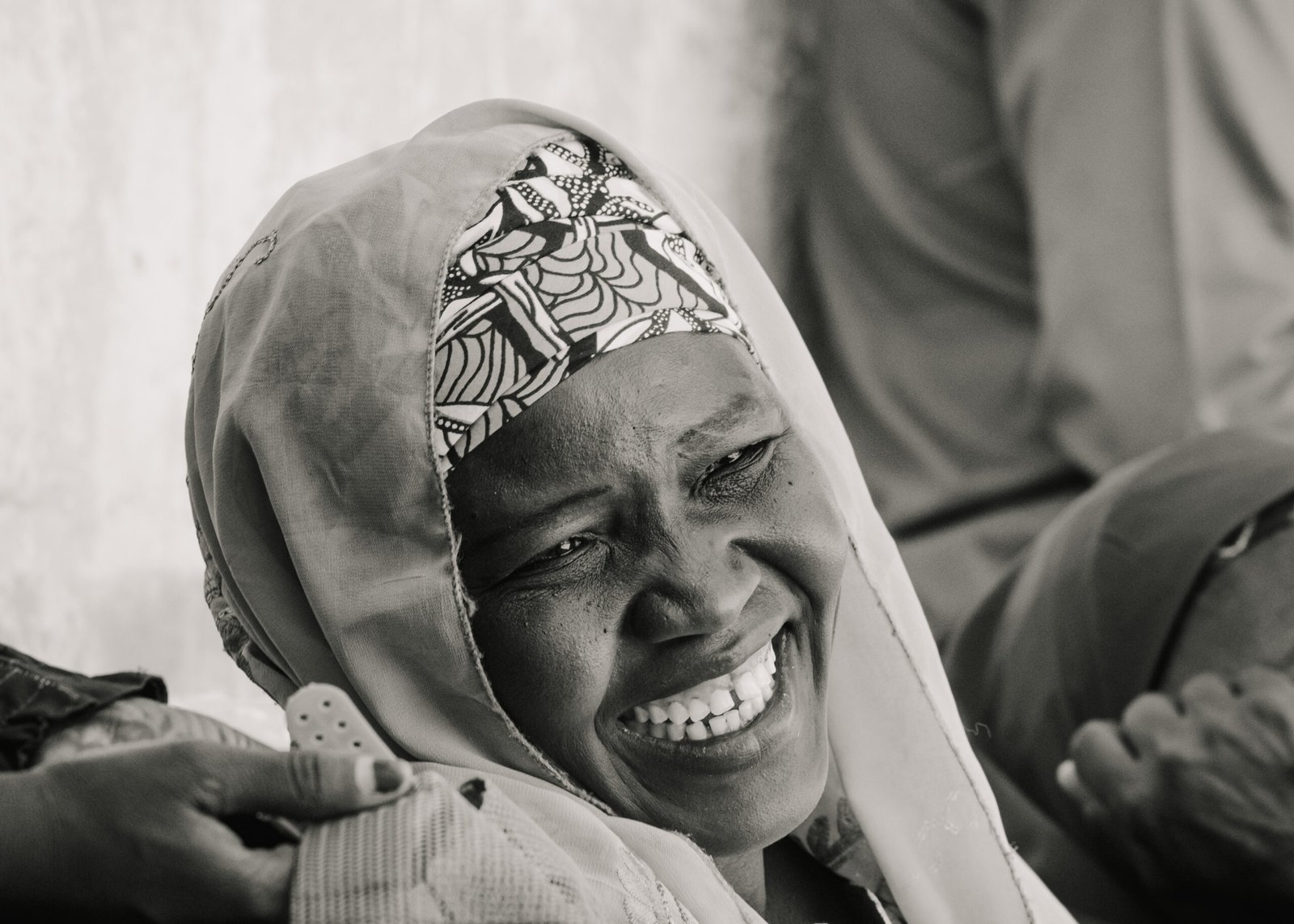

Muhammad Sani Umar - Chairman
Muhammad Sani Umar, M.Sc. is a Medical Laboratory Scientist with over 30 years of experience in healthcare leadership. Furthermore, he is Founder/CEO of Optimum Clinic and leads community health initiatives. As Chairman, Board of Trustees of Alimat Care Foundation, he provides strategic leadership in public health and community development.

Hatonopwa Kenan – Secretary
Hatonopwa Kenan is a humanitarian leader with experience in protection, gender equality, and GBV work. Additionally, she has served in senior roles, improving governance, safeguarding, and partner systems. As Secretary of the Board of Trustees of Alimat Care Foundation, she supports clear, accountable, and mission-focused leadership.

CHARITY ANAJA – Board Member
Charity Ojobgane Anaja is a Gender and Governance Specialist with over 15 years of experience in women’s rights, child protection, and public health work. Additionally, she has led advocacy, policy, and civic programs across Nigeria. As a Board Member of Alimat Care Foundation, she provides guidance on gender, governance, and community programs.

Khalid Idris – Board Member
Khalid Idris is a public health and project lead with over nine years of experience supporting health programs across Nigeria. He works on maternal and child health, HIV prevention, and service quality, supporting donor-funded projects with state health agencies. As a Board Member of Alimat Care Foundation, he contributes skills in coordination, training, and data-driven planning.

Dr. Abdulazeez Gimba – Board Member
Dr. Abdulazeez Gimba Ndako is a financial consultant with over ten years of experience in banking, audit, tax, and financial management. He leads Obazeez Financial Consulting, providing accounting, compliance, and risk support. As a Board Member of Alimat Care Foundation, he strengthens financial oversight, accountability, and good governance.
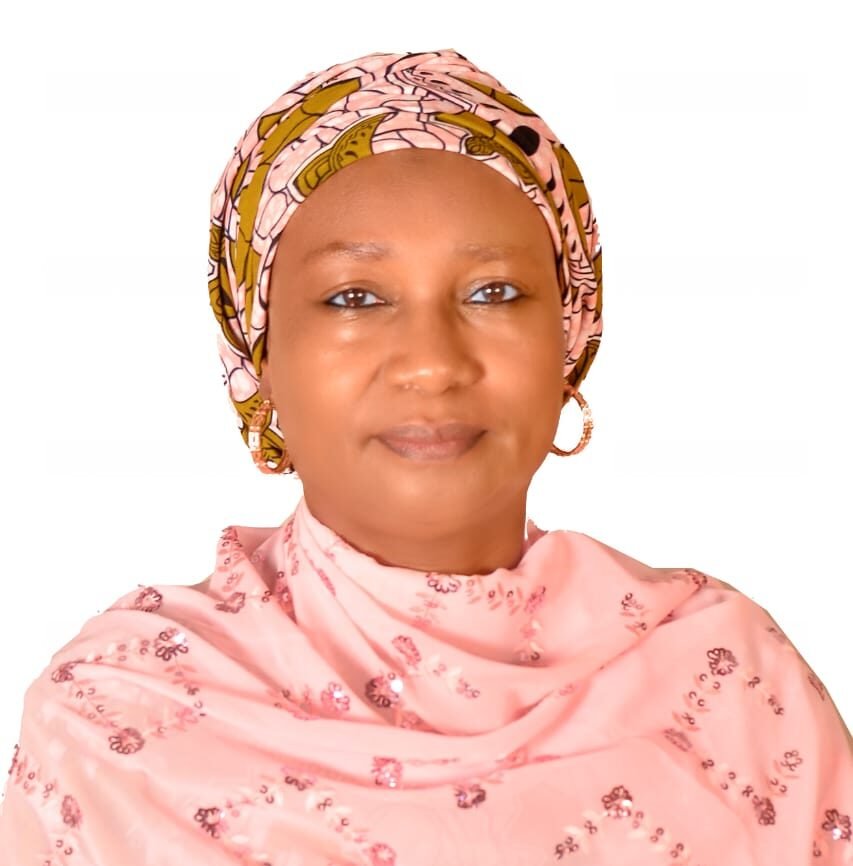
Dr. Jiddere Musa Kaibo – Board Member
Dr. Jiddere Musa Kaibo is an education leader and gender advocate with over 30 years of experience in teacher education and policy reform. She serves at the Federal College of Education, Yola, and is National President of FAWE Nigeria. As a Board Member of Alimat Care Foundation, she provides guidance in education policy, gender equity, and institutional leadership.

Ibrahim Bello - Executive Director
Ibrahim Bello is a development practitioner, environmental advocate, and social impact leader with experience advancing sustainable development and supporting vulnerable communities across Northern Nigeria and the Lake Chad Basin. As Executive Director of Alimat Care Foundation, he leads community-driven programs focused on education, skills development, climate adaptation, environmental sustainability, SRHR, GBV prevention, and economic empowerment. He brings expertise in project management, organizational strengthening, and locally adaptable solutions, with a strong commitment to empowering women and girls, grassroots innovation, and inclusive development.

Yinasim Dagal – Program Lead
Yinasim Dagal is the Program Lead at Alimat Care Foundation (ACF), where she supports initiatives advancing girls’ education, sexual and reproductive health and rights (SRHR), protection, livelihoods, climate resilience, and governance. She is committed to driving gender transformation and creating opportunities that amplify the rights, voices, and leadership of girls and young women. Through her work, Yinasim contributes to the design and implementation of inclusive, community-centered programs that promote empowerment, resilience, meaningful participation, and lasting social change across vulnerable communities and marginalized groups in Northern Nigeria.

Hakim Daniel – Advocacy Officer
Hakim Daniel is the Advocacy Officer at ACF with experience in promoting social change, influencing policy, and amplifying community voices within the organization. He works closely with stakeholders, partners, and communities to design and implement advocacy strategies that advance human rights, gender equality, and sustainable development. Through awareness campaigns, stakeholder engagement, and policy dialogue, Hakim contributes to strengthening the organization’s impact and ensuring that the needs of vulnerable populations are effectively represented. He is committed to driving inclusive development and fostering positive societal transformation.

Phibi Samuel – Finance Officer
Phibi Samuel is the Finance Officer with experience in financial management, budgeting, and reporting. She plays a key role in ensuring accurate financial records, supporting budget planning, and maintaining compliance with organizational policies and regulatory standards. Working closely with program teams and external partners, Phibi oversees financial audits, monitors expenditure, and provides strategic forecasting to optimize resource allocation. With strong analytical skills and a commitment to fiscal accountability, she contributes to the transparent use of resources to strengthen organizational impact and support long-term program success.

Abigail Jonathan – HR/Admin Assistant
Abigail Jonathan is the HR/Admin Assistant at Alimat Care Foundation (ACF), where she provides administrative and human resource support to ensure efficient daily organizational operations. She supports recruitment processes, staff onboarding, personnel documentation management, and compliance with internal policies and standards. Working closely with various teams, Abigail assists in coordinating office logistics, maintaining accurate records, and enhancing staff welfare initiatives across programs. She is committed to strengthening internal administrative systems, driving operational efficiency, and fostering a supportive, accountable work environment.

Jemimah Amos – Finance Assistant
Jemimah Kenneth Amos is the Finance Assistant at ACF, bringing experience in financial reporting, meticulous record-keeping, and core administrative support. She has built a strong background across finance, stock management, and insurance advisory, developing a well-rounded skill set in resource tracking and operational management. Working closely with the finance team, Jemimah supports daily transactions, inventory auditing, and the preparation of reliable financial statements. She is passionate about contributing to impactful community projects, driving organizational growth, and upholding high standards of efficiency and financial accuracy.

Kamal Aliyu – Procurement Assistant
Kamal Aliyu is the Procurement Assistant at ACF, where he brings a detail-oriented approach to supporting smooth supply chain and operations. He plays a key role in vendor management, sourcing quality goods and services, and executing procurement processes that ensure transparency, efficiency, and maximum value for money. Working closely with program officers and external suppliers, Kamal manages quotation reviews, contract compliance, and timely delivery of project materials. He is committed to maintaining strict organizational standards, mitigating operational risks, and driving resource efficiency across all programs.

James Dimas – M&E Intern
James Dimas is a committed Program Volunteer at ACF who supports the planning, coordination, and ground implementation of organizational activities and community-based initiatives. He plays an active role in field operations, assisting with project data collection, logistics, and direct stakeholder engagement to ensure smooth project delivery. Working alongside core program officers, James helps organize community outreach events, compile field reports, and facilitate communication with local beneficiaries. Driven by a passion for social impact, he is dedicated to driving positive community development and improving the lives of vulnerable populations.